Smart Steps to Plan, Install, and Maintain a Reliable Pet Boundary
Start by defining the result you want from a containment system, not just the brand or hardware. Assess your yard’s layout, your pet’s temperament, and daily routines. Verify where you do and don’t want access, including driveways, gardens, and entryways. Meanwhile, weigh leash habits, prey drive, and recall reliability. Early clarity guides property and pet behavior assessments and prevents later rework when layout and training begin.
Next, map the boundary concept on paper before anyone digs or deploys equipment. Scope fence loops, gate crossings, and transition zones that need extra training. Then think through how deliveries, lawn care, and visitors will pass without confusing the pet. Custom pet fence layout and design benefits from documenting choke points and escape temptations, so installers can stage hardware and plan flag placement for visibility and confidence.
Before installation day, gather site information to reduce surprises. Inspect utility markings, sprinkler paths, and hardscape seams where wire or beacons must pass. Validate where control hardware can mount with weather protection and power access. In practice, professional pet fence system installation runs smoother when owners clear debris, identify pets’ favorite routes, and plan temporary leashing to buffer stress while flags and collars are introduced.
During selection, align technology to property dynamics rather than chasing features. Underground pet fence system installation offers predictable boundary shapes and sturdy signal paths for many lots. Alternatively, GPS wireless fence system installation can flex for large or irregular terrain with fewer physical disruptions. Beyond that, indoor and specialty pet boundary installation can protect doorways, kitchens, or cat-only zones, creating layered safety that adapts to household patterns.
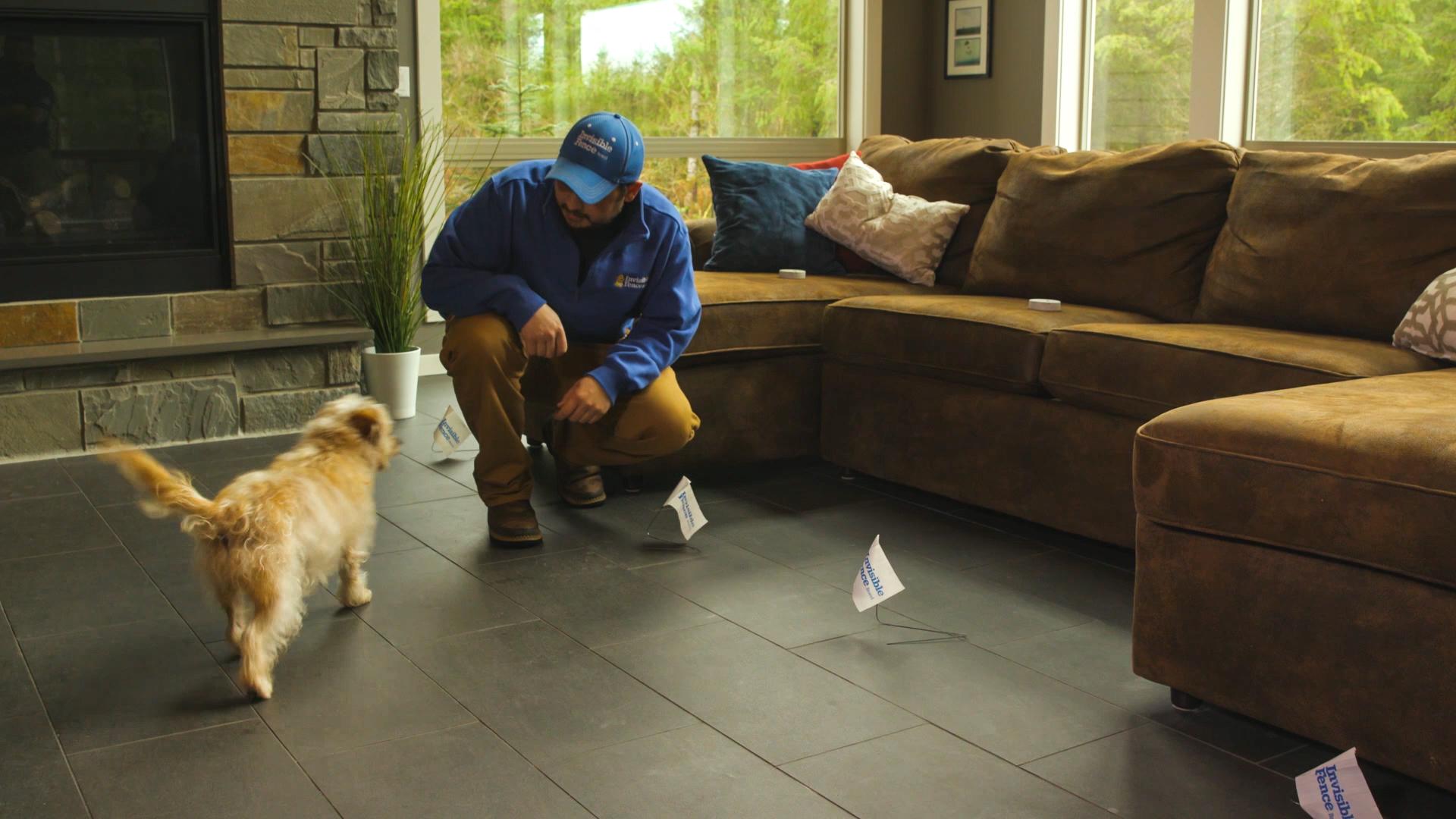
Training is the hinge between hardware and real-world reliability. Calibrate collar fit gently, verify contact consistency, and phase learning in short, upbeat sessions. Positive reinforcement boundary training builds trust while pets discover warning cues. Certified hands-on boundary training or three one-on-one boundary training sessions can reinforce timing, reward delivery, and handler consistency. Perfect Start™ Plus Training Program elements help translate beeps and flags into steady choices under distraction.
Owners should treat the first two weeks like a commissioning period. Sequence calm exposures at low-distraction times, gradually adding mild challenges such as a family member walking beyond the flags. Document wins and hiccups to refine the plan each day. However, avoid rushing off-leash freedom; validate responsiveness on-leash first. Private in-home dog training sessions or in-home behavior training for dogs can address edge cases like door dashing or fence-line fixation.
After initial success, plan lifecycle care that keeps systems dependable. Maintain collars, check fit after grooming or weight changes, and inspect boundary markers until your pet is fluent. System checks catch loose wire, weakened batteries, or environmental interference before behavior backslides. Replacement collar battery sales ensure consistent cue strength, while ongoing local support and office walk-in support by appointment help troubleshoot unusual patterns or equipment wear.
When properties evolve, update containment to match. Often, new sheds, patios, or landscaping alter signal paths or change how pets travel. Verify that boundaries still guard high-value exits, and refine indoor zones if new furniture redirects movement. Meanwhile, maintenance and periodic audits let you validate coverage, recalibrate collar settings, and adjust training intensity so confidence stays high across seasons and household changes.
Budget planning benefits from staging decisions. Phase essential boundary coverage first, then add indoor zones or specialty areas as needs emerge. Financing options through Wisetack, subject to approval and availability, may help spread costs while keeping training momentum intact. Free in-home consultations or free virtual consultations can clarify scope and timing, ensuring each step aligns with your pet’s learning curve and your daily schedule.
Finally, think long-term about teamwork. Document who in the household reinforces boundaries, and assign backup for walks and play. Validate that guests understand gate etiquette and how to pause interactions if alerts sound. Then revisit goals monthly to sustain progress. Invisible Fence can be a useful term for discussing the broader category, yet your process—planning, installation, and consistent training—ultimately anchors safety and freedom for your pet.